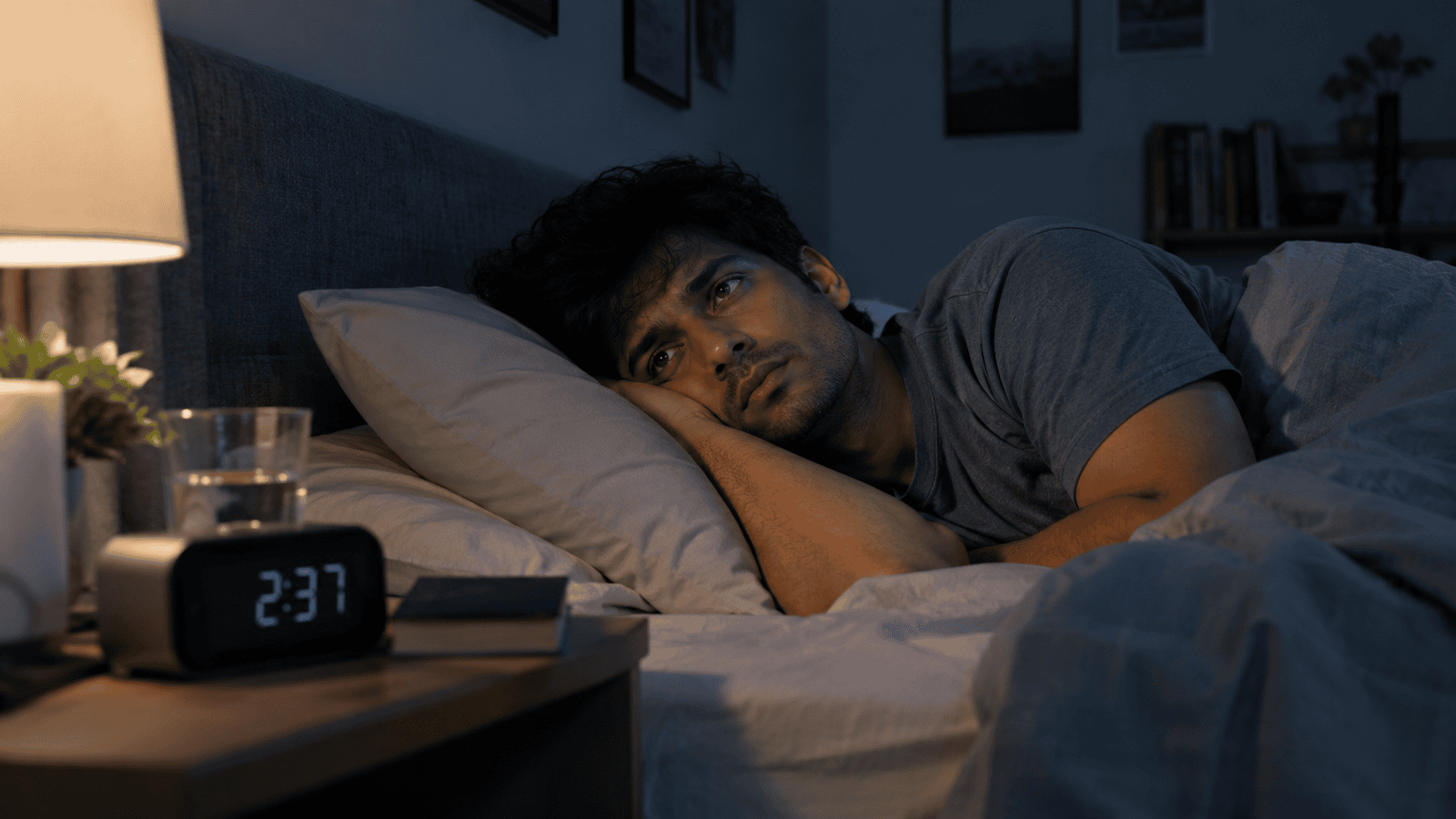
You have been tired all day. You keep yawning, struggle to concentrate and look forward to finally getting into bed. But when you lie down, sleep refuses to come. Your body feels exhausted, yet your mind seems wide awake.
You start checking the time, thinking about tomorrow’s responsibilities and wondering why you cannot simply fall asleep. The more you try to force it, the more frustrating it becomes.
If you feel exhausted but cannot sleep at night, several factors could be contributing to the problem. Stress, anxiety, irregular sleep schedules, medications and certain health conditions can all affect sleep. Understanding the possible cause is the first step towards finding a solution.
Why Can You Feel Exhausted but Still Not Fall Asleep?
Feeling tired does not always mean your brain and body are ready for sleep. Sleep depends on several processes working together, including your internal body clock and the natural build-up of sleep pressure throughout the day.
Common reasons you may feel tired but unable to sleep include:
- Racing thoughts: Thinking about work, relationships or tomorrow’s tasks can keep your mind alert at bedtime.
- Stress: Ongoing pressure can make it difficult to relax, even when you feel physically drained.
- Irregular sleep schedules: Sleeping and waking at different times can disrupt your natural sleep rhythm.
- Caffeine and other substances: Late caffeine, nicotine and alcohol can interfere with sleep in different ways.
- Health conditions or medicines: Pain, certain medical conditions, medication side effects and other sleep disorders may affect your ability to fall or stay asleep.
The cause is not always obvious, and more than one factor may be involved.
What Are the Common Symptoms of Insomnia?
Insomnia involves difficulty falling asleep, staying asleep or returning to sleep after waking too early, despite having an adequate opportunity to sleep.
You may experience:
- Taking a long time to fall asleep.
- Waking repeatedly during the night.
- Waking earlier than intended and being unable to return to sleep.
- Feeling tired, irritable or unfocused during the day.
- Finding it harder to manage everyday responsibilities.
Occasional sleepless nights are common. However, repeated sleep difficulties that affect your daytime functioning deserve attention.
Can Anxiety or Depression Cause Sleep Problems?
Yes. Mental health and sleep can influence each other.
When you are anxious, your mind may keep replaying conversations, anticipating problems or planning for the next day. Even when you want to rest, this mental alertness can make falling asleep difficult.
Depression can also affect sleep. Some people struggle with insomnia, while others sleep more than usual but still feel exhausted. Low mood, reduced energy and changes in daily routines may contribute to sleep difficulties.
Poor sleep can, in turn, make it harder to manage emotions and cope with stress. If sleep problems occur alongside persistent anxiety, low mood or loss of interest in usual activities, discussing both with a healthcare professional may help.
Is This Insomnia or Simply a Bad Sleep Routine?
Late-night screen use, inconsistent bedtimes, long daytime naps and caffeine close to bedtime can make sleep more difficult. Improving these habits may help.
However, persistent insomnia is not always caused by a poor routine. You can follow healthy sleep habits and still experience significant sleep difficulties because of stress, medical conditions, medications or other factors.
How long the problem has lasted, how frequently it occurs and how it affects your daily life are important when deciding whether further assessment is needed.
What Can Cause Persistent Insomnia?
Persistent sleep problems may be associated with ongoing stress, anxiety, depression, chronic pain, certain medications or substances, and other sleep disorders.
For some people, worrying about not sleeping becomes part of the problem. After several difficult nights, bedtime itself can start to feel stressful. You may begin anticipating another sleepless night before you even get into bed.
Identifying these patterns can help guide treatment rather than relying on guesswork or trying one sleep remedy after another.
How Is Insomnia Assessed?
A doctor or qualified mental health professional may ask about your sleep schedule, how long you have experienced difficulties, daytime fatigue, medical history and any medicines or substances you use.
They may also explore symptoms of anxiety or depression and consider whether another condition, such as a sleep-related breathing disorder, could be contributing.
A sleep diary can be useful for recording bedtime, estimated sleep time, awakenings, wake-up time and daytime tiredness. Further tests may be considered when the assessment suggests they are necessary.
What Treatments Can Help With Insomnia?
Treatment depends on the cause and duration of your sleep difficulties. Helpful approaches may include:
- Consistent sleep and wake times: Keeping a regular schedule can support your body’s internal clock.
- Behavioural strategies: A calming wind-down routine and changes to habits that interfere with sleep may help.
- Cognitive behavioural therapy for insomnia (CBT-I): This structured treatment addresses thoughts and behaviours that maintain insomnia and is a recommended treatment for persistent insomnia.
- Treating underlying conditions: Managing pain, anxiety, depression or other contributing health problems may improve sleep.
- Medication when appropriate: A clinician may consider sleep medication in selected circumstances after assessing its benefits and risks.
Avoid starting sleeping pills or supplements without appropriate advice, as they are not suitable for everyone.
When Should You See a Doctor or Psychiatrist?
Consider seeking professional advice if sleep difficulties keep returning, affect your concentration or mood, interfere with work or daily life, or occur alongside significant anxiety or low mood.
Seek assessment if you experience excessive daytime sleepiness, loud snoring with gasping, or other signs of a possible sleep disorder. Do not drive if you are dangerously sleepy.
Frequently Asked Questions
Why am I tired but unable to sleep?
Stress, racing thoughts, irregular sleep schedules, caffeine, medications and health conditions can all contribute. The cause varies from person to person.
Can overthinking cause insomnia?
Yes. Repetitive worrying can keep your mind alert at bedtime and make it harder to relax into sleep.
Does insomnia go away on its own?
Short-term sleep difficulties may improve when the underlying stressor passes. Persistent insomnia may require targeted treatment.
When should I seek treatment for sleep problems?
Seek advice when sleep difficulties persist, repeatedly return or affect your daytime functioning, mood or ability to carry out daily activities.
Get Help for Persistent Sleep Problems
Sleep difficulties can affect mood, concentration, relationships and everyday life. HappyMindz Clinic in Rohini, Delhi, focuses on mental health and psychiatric care. Dr. Neha Salhotra is a psychiatrist associated with the clinic, working in the field of mental health and emotional wellbeing.
Note: This article is for educational purposes only and does not replace professional medical advice, diagnosis or treatment.